UAV & Drones

High-reliability GNSS antenna systems engineered for aerial platforms requiring stable positioning under severe airframe vibration, rapid attitude variations, and complex onboard EMI.

HelioNavi delivers precision-engineered UAV antenna technology, ranging from full-constellation, multi-frequency Helix and Patch arrays to advanced anti-jamming solutions. By maintaining sub-millimeter phase center stability and multi-stage out-of-band filtering, our GNSS antennas guarantee reliable signal tracking and rapid RTK initialization despite severe airframe vibrations and rapid attitude shifts. These high-performance GNSS antennas provide centimeter-level accuracy for mission-critical operations, including high-precision aerial surveying & LiDAR mapping, precision agriculture, environmental monitoring, industrial inspections, and emergency disaster relief.

UAV GNSS Performance Is Difficult in Real Applications

GNSS antenna performance in UAV systems is defined by complex operating environments rather than static datasheet specifications.


Strict Low-SWaP Constraints

UAVs have very limited space, power, and payload. The antenna must deliver high
performance in a small footprint.


Dynamic Flight Attitude Variation


Vibration, rolling maneuvers, and attitude changes cause signal fluctuation and
phase center shifts.


RF Coexistence Environment


Telemetry, video link, LTE/5G modules, and cameras increase noise floor and
interference.


Low-Elevation Tracking Instability


Multipath and signal blockage are more severe at low elevation, impacting RTK
positioning reliability.

Core Engineering Capabilities

15+Years
GNSS Antenna R&D and Engineering Experience
500+Platforms
Successful GNSS Integrations Across Global UAV & Drone OEMs
Sub-Millimeter
Phase Center Consistency Under Ruggedized Vibration Environments

Full-Constellation Tracking

Multi-frequency tracking across GPS, GLONASS, Galileo, BeiDou, QZSS, and SBAS for robust positioning in demanding flight environments.

Optimized Low-SWaP

Ultra-compact, lightweight antenna designs with low power consumption for space- and energy-constrained UAVs.

Phase Center Stability

Stable phase center and low variation under vibration, temperature, and dynamic flight motion.

Bespoke RF Integration

Custom RF tuning, cable routing, and mechanical integration for optimal onboard performance in complex UAV environments.

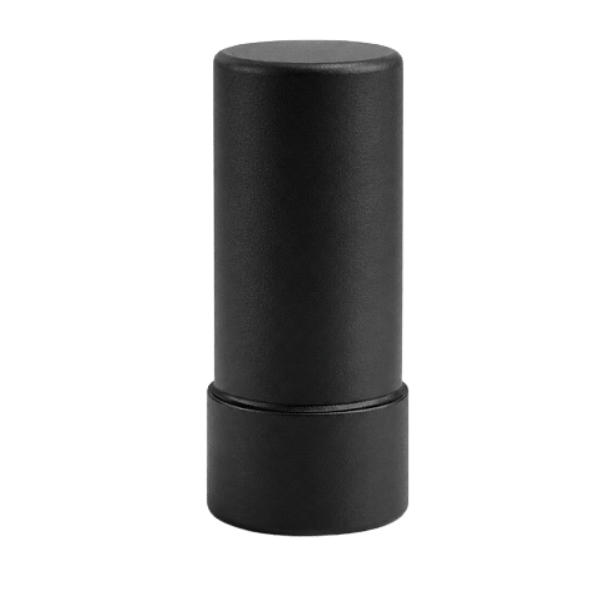
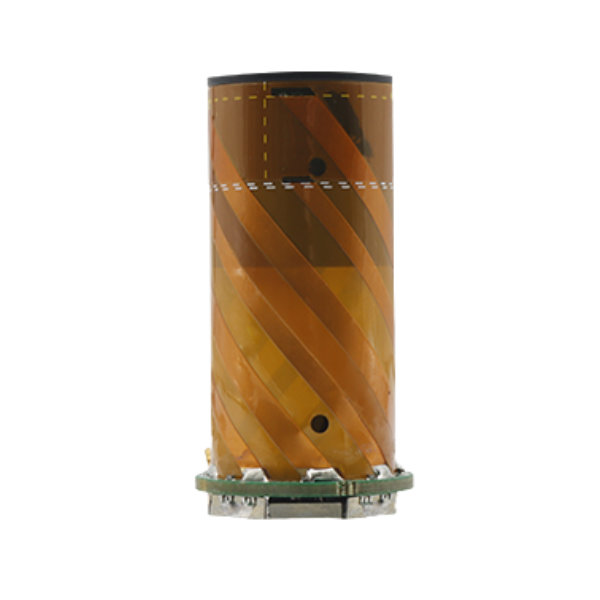
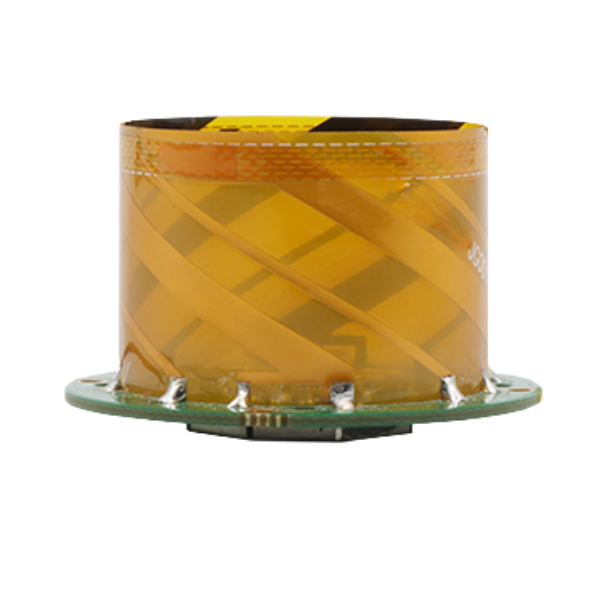
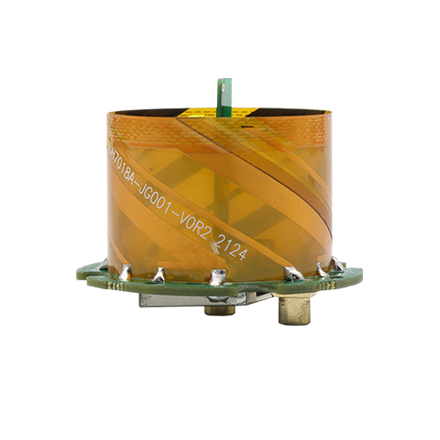
GNSS helix antenna
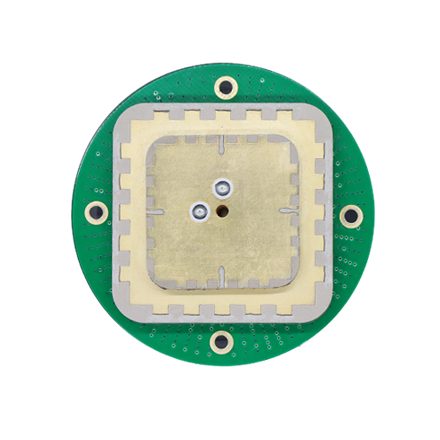
GNSS patch antenna
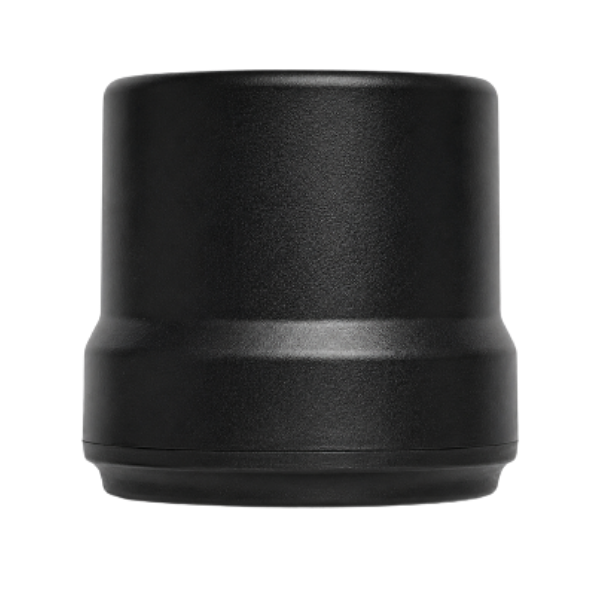
External GNSS antenna
01

High-Precision Positioning Antennas (Helix & Patch)

  • Helix and patch antennas for high-accuracy positioning
  • Excellent multipath rejection and wide bandwidth
  • External and embedded options for flexible integration
GNSS combo antenna
Integrated GNSS communication module
02

Multi-Functional Combo Antennas (GNSS + Communication)

  • Integrated GNSS with 4G/5G, Wi-Fi, or telemetry antennas
  • Optimized isolation and RF performance
  • Reduces system complexity and saves integration space
Smart integrated GNSS antenna
03

Smart Integrated GNSS Antennas (Antenna + GNSS Receiver)

  • Integrated antenna and GNSS receiver for compact systems
  • High-precision RTK solution reduces wiring and weight
  • Plug-and-play performance with easy integration

Applications of Typical UAV Missions

UAV mapping over mountains

High-Precision Mapping & Survey

VTOL inspection platform

Long-Endurance VTOL & Fixed-Wing Inspection

Industrial surveillance equipment

Autonomous Industrial Surveillance Drones

Agriculture drone over field

Precision Agriculture UAVs

Powerline inspection vehicle

Powerline Inspection

Drone in flight

High-Dynamic Drone Light Shows & Swarm

UAV Antenna Integration Technical Support

HelioNavi provides engineering-level support for UAV GNSS antenna selection and integration.

  • UAV platform type and flight dynamics
  • GNSS frequency band requirements
  • Installation position and ground plane conditions
  • RF interference and coexistence environment
  • RTK accuracy requirements

Request UAV GNSS Antenna Engineering Recommendation

Share your UAV platform type, operating environment, GNSS receiver configuration, and integration constraints. Our technical team will recommend the most suitable GNSS antenna architecture for your application.