helionavi.com

Products

GNSS Antenna Product Families

High-performance GNSS antennas engineered for precision, reliability, and low-SWaP integration across UAVs, industrial drones, robotic systems, high precision surveying and mapping, UGVs, USVs, and autonomous uncrewed platforms.

Talk to an Expert

Product Series

Product Family
Key Features
View Series
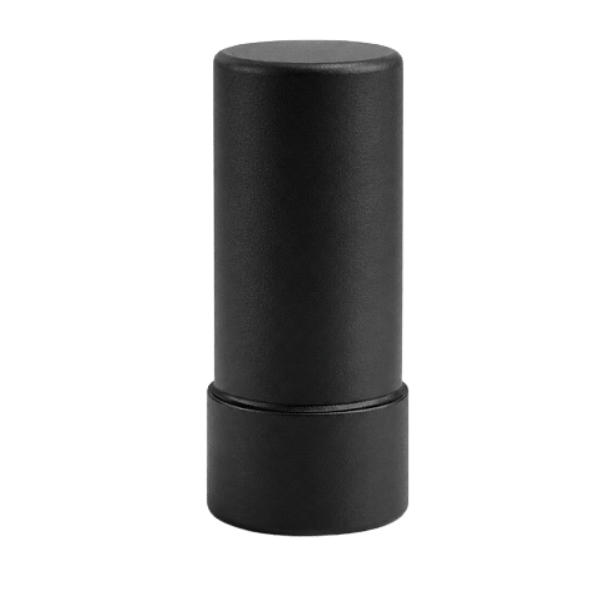
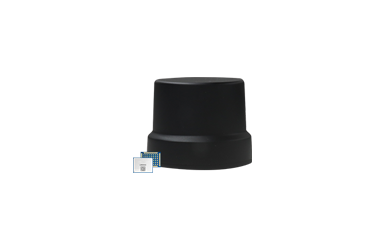
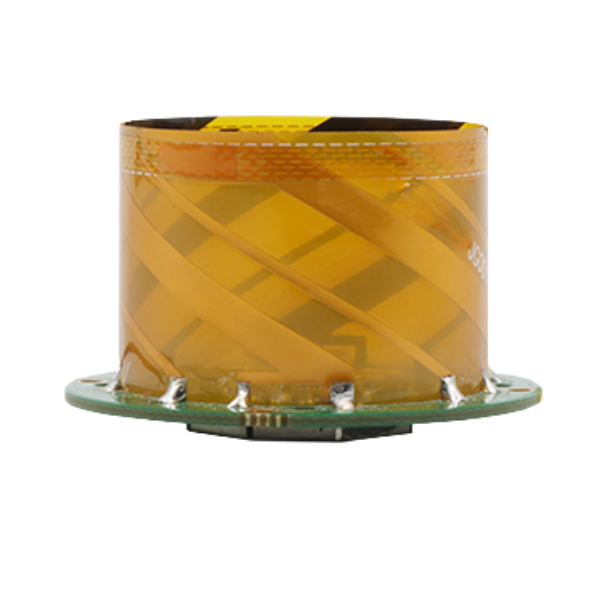
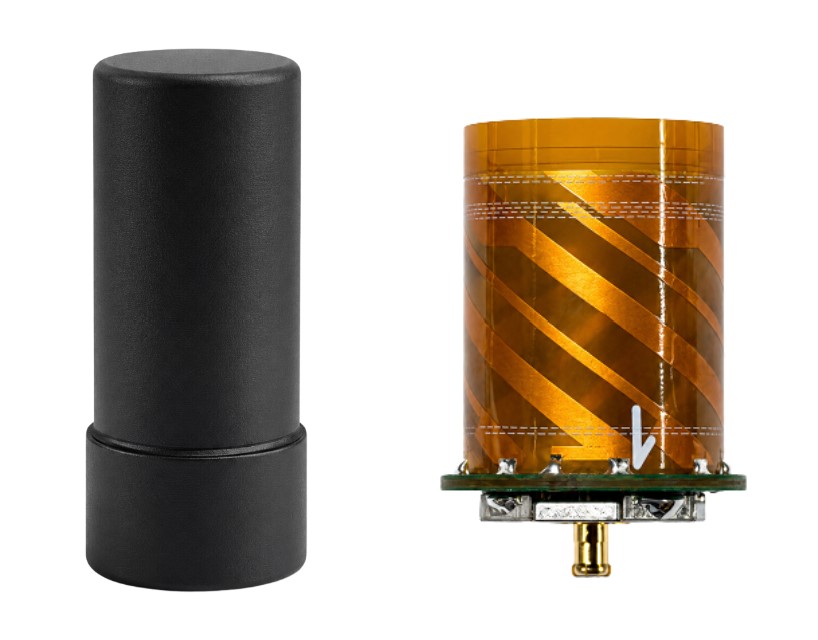
GNSS helix antenna

GNSS Helix Antennas

Ultra-light weight & ground-plane independence; superior multipath mitigation, exceptional low-elevation signal tracking, and optimized axial ratio stability for dynamic high-vibration platform attitudes.

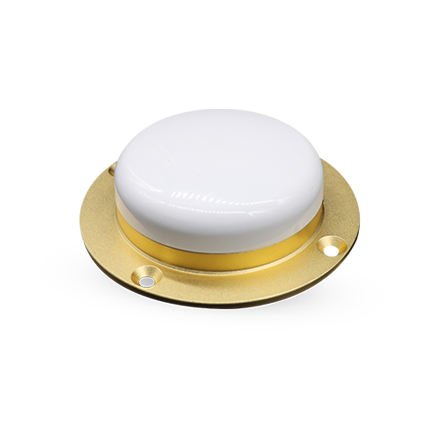
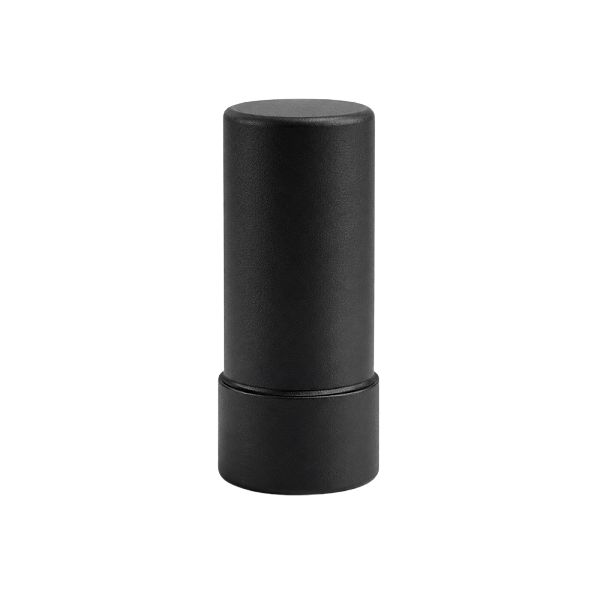
GNSS patch antenna

GNSS Patch Antennas

Ultra-low-profile, lightweight microstrip patch arrays engineered for restricted spatial footprints, precise phase center stability, and high-yield consistent mass production.

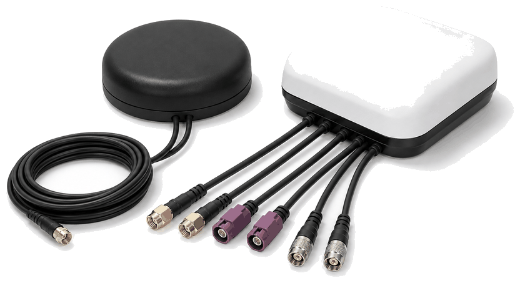
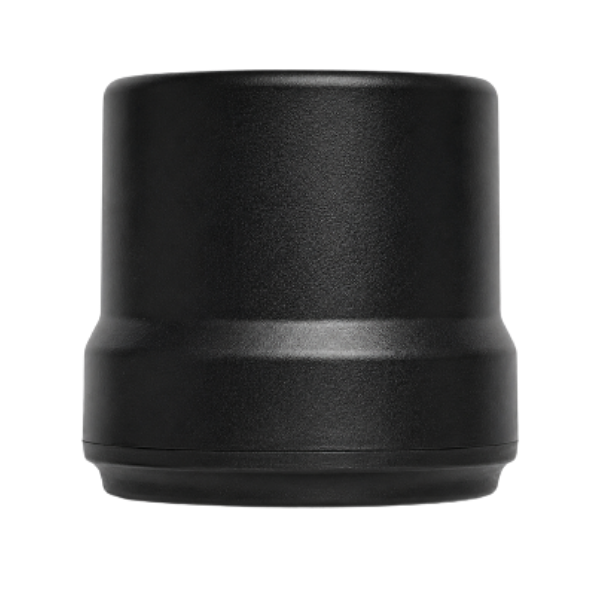
GNSS combo antenna

GNSS Combo Antennas

All-in-one, single-enclosure integration (GNSS + 4G/5G/Wi-Fi/BT) delivering high out-of-band rejection to eliminate severe co-site EMI while drastically simplifying system layout cabling.

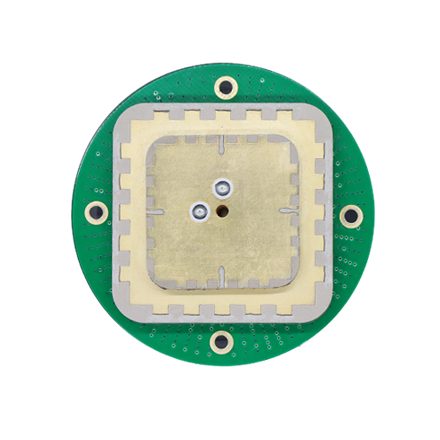
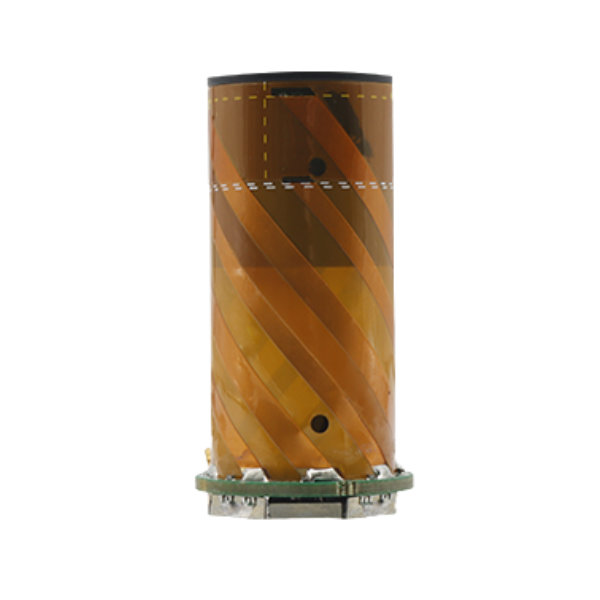
Smart GNSS antenna

Smart GNSS Antennas

Smart GNSS positioning subsystems embedding high-precision GNSS/RTK receiver modules directly into calibrated antenna hardware for plug-and-play prototyping and rapid system deployment.

Custom antenna solution

Custom Antenna Solutions

Tailored RF tuning, pattern adjustments, optimized frequency band combinations, and bespoke mechanical modifications (connectors/enclosures) to satisfy unique platform constraints.

How to Choose the Right GNSS Antenna

Selecting the right antenna depends on your platform, environment, and performance goals. Use the key factors below to guide your decision.

1. Platform Type

Consider your platform’s dynamics, mounting options, and power availability.

2. GNSS Bands

Choose the bands and constellations you need (L1, L2, L5, and beyond).

3. Installation Environment

Evaluate multipath conditions, temperature range, and weather resistance.

4. Size & Weight Limits

Balance antenna performance with available space, weight, and aerodynamic impact.
5. Integration Needs

Determine connectivity, cabling, LNA gain, and data interface requirements.