helionavi.com

Robotics UGVs

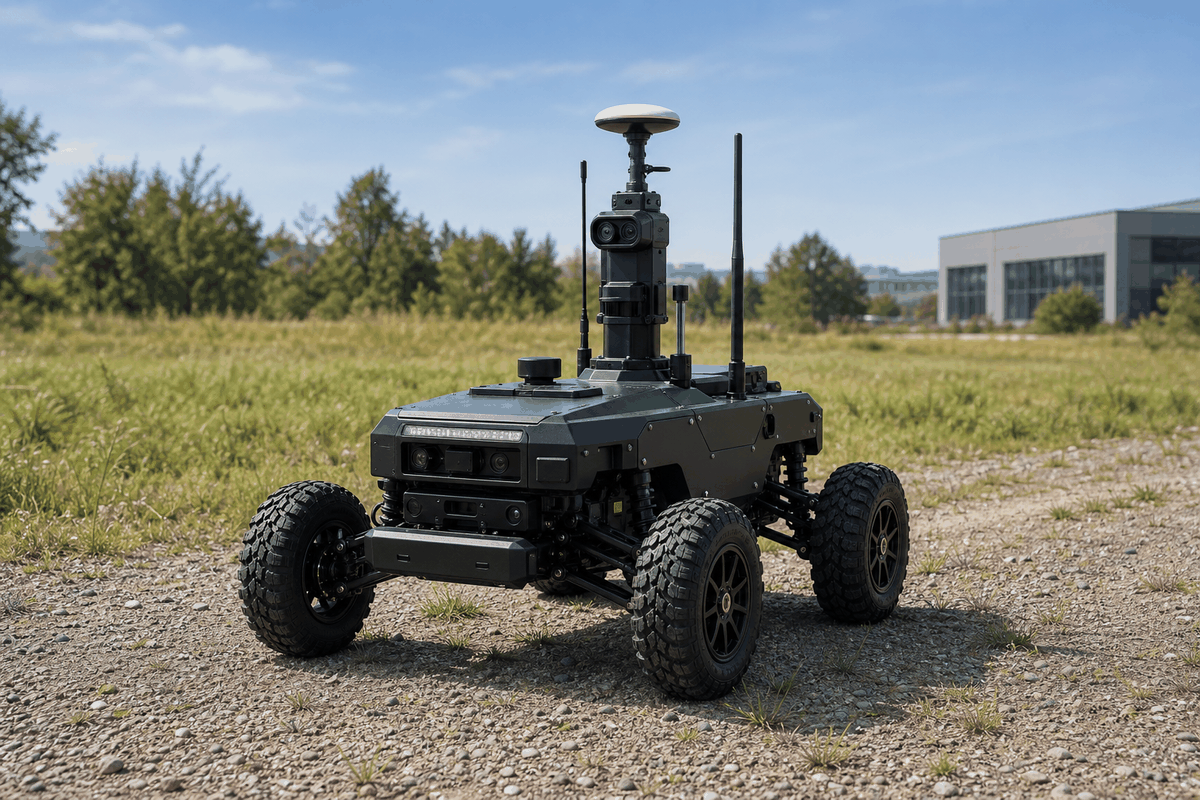
Robotics & UGVs GNSS Antenna Solutions

Reliable positioning systems for ground-based autonomous robots operating in complex RF and structural environments.

HelioNavi delivers high-reliability, low-profile GNSS antennas that ensure centimeter-level precision for global autonomous systems across logistics, agriculture, industry, and defense. Our GNSS antenna is specifically engineered to maintain sub-centimeter stability for ground-based platforms, overcoming severe chassis vibrations, dense structural occlusions, and harsh multipath environments.

GNSS Antenna Challenges in Robotics & UGVs

Strict SWaP Constraints

Robotics demand compact, lightweight designs that maintain high RF efficiency to fit sleek industrial profiles and minimize collision risks.

Ground-Level Occlusion

Operating near the terrain increases signal blocking from buildings and foliage, causing frequent cycle slips and slower RTK recovery.

Intense Multipath Interference

Reflections from ground surfaces and structures create noise that degrades RTK fix rates and causes positioning drift.

Complex Near-Field Coexistence

Proximity to high-power motors, AI processors, and wireless sensors leads to RF desensitization via electromagnetic interference.

Dynamic Vibration Instability

Constant shock from rugged terrain requires robust internal stabilization to prevent signal tracking degradation.

Core Engineering Capabilities

15+Years GNSS Antenna R&D and Engineering Experience
500+Platforms Successful GNSS Integrations Across Global Robotics & UGV OEMs
Sub-Millimeter Phase Center Consistency Under Ruggedized Ground Vibration Environments

Full-Constellation Tracking

Simultaneous multi-band support (L1/L2/L5) across GPS, GLONASS, Galileo, and BeiDou for rapid RTK initialization in obstructed environments.

Optimized Low-SWaP

Compact, low-profile, or embedded designs maintain high gain without adding bulk to the robotic platform.

Phase Center Stability

Sub-millimeter PCV control remains precise even under severe mechanical shock and vibration.

Bespoke RF Integration

Custom anechoic chamber tuning and chassis optimization maximize gain and isolate co-site EMI.

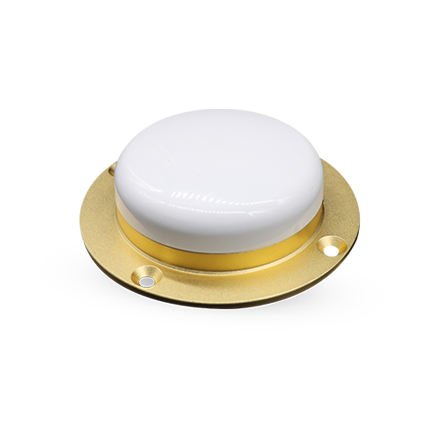
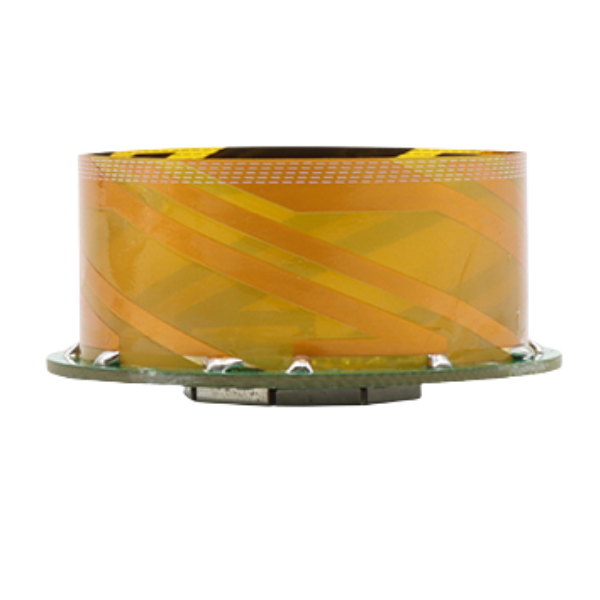
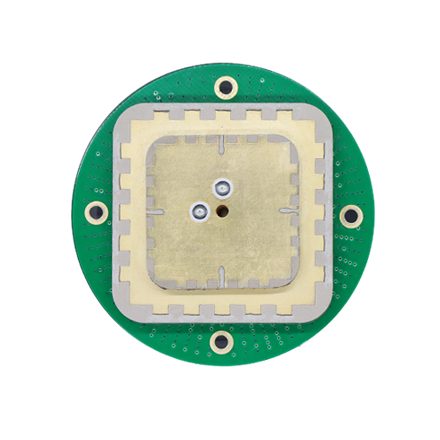
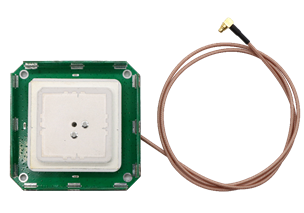
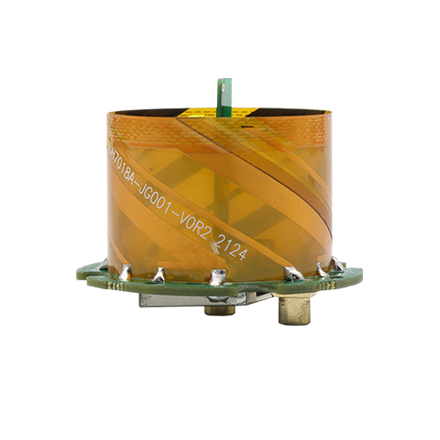
Helix GNSS antenna Patch GNSS antenna
01

High-Precision Positioning (Helix & Patch)

  • Helix and patch antennas for high-accuracy positioning
  • Excellent multipath rejection and wide bandwidth
  • External and embedded options for flexible integration
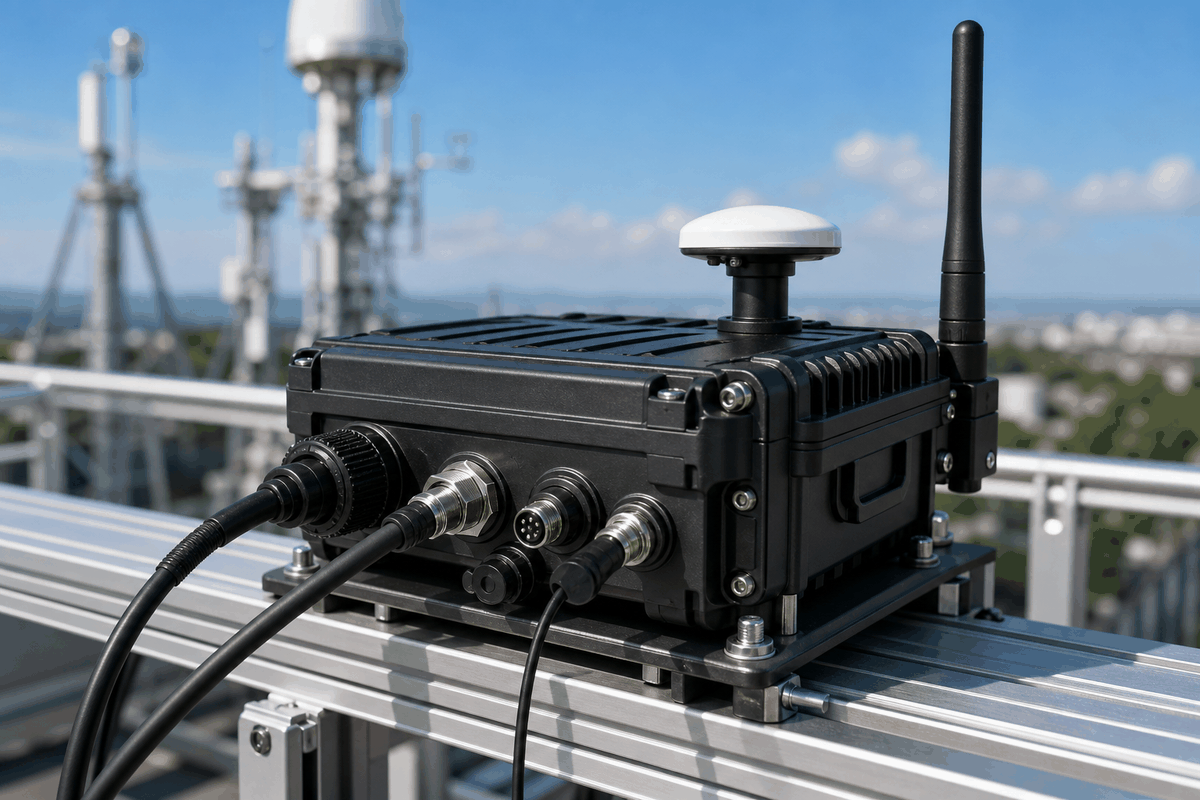
GNSS communication combo antenna Ruggedized connected antenna subsystem
02

Multi-Functional Combo (GNSS + Communication)

  • Integrated GNSS with 4G/5G, Wi-Fi, or telemetry antennas
  • Optimized isolation and RF performance
  • Reduces system complexity and saves integration space
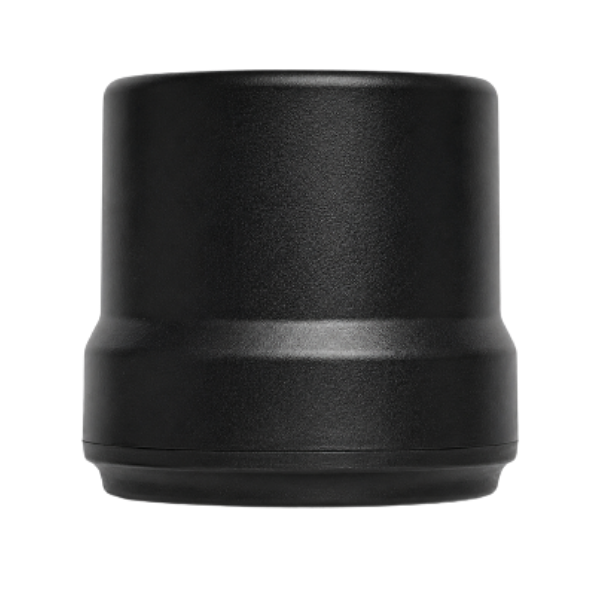
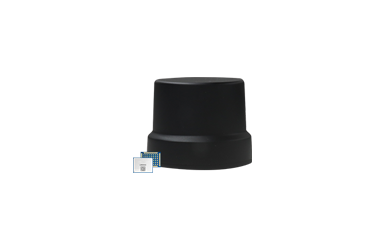
Smart integrated GNSS antenna Smart helix GNSS antenna
03

Smart Integrated GNSS (Antenna + Receiver)

  • Integrated antenna and GNSS receiver for compact systems
  • High-precision RTK solution reduces wiring and weight
  • Plug-and-play performance with easy integration

Applications of Typical Robotics & UGV Missions

Autonomous delivery vehicle

Autonomous Delivery Robots

Industrial AGV control unit

Industrial AGVs

Inspection robot

Inspection Robots

Industrial inspection UGV

Industrial Inspection UGVs

Defense UGV platform

Defense UGV Platforms

Warehouse automation robot

Warehouse Automation Systems

UGV & Robotics Antenna Integration Support

Platform & Dynamics

Understand motion, vibration, and mounting considerations.

Frequency & Redundancy

Select frequencies and antenna redundancy for mission reliability.

Integration Environment

Evaluate space, mounting locations, ground plane, and surrounding structures.

EMI & Coexistence

Address RF interference and ensure reliable coexistence on-platform.

Precision Targets

Align antenna selection with positioning accuracy and mission objectives.

HelioNavi provides engineering-level support for robotic GNSS antenna selection and integration from concept to deployment.

HelioNavi provides engineering-level support for robotic GNSS antenna selection and integration from concept to deployment.

  • Platform & Dynamics: Robot type, physical clearance limits, and movement dynamics.
  • Frequency & Redundancy: Required GNSS bands and multi-constellation redundancy.
  • Integration Environment: Mounting location, housing materials, and ground plane conditions.
  • EMI & Coexistence: Managing motor EMI, internal RF interference, and wireless coexistence.
  • Precision Targets: Defining RTK accuracy and heading performance requirements.

Request Robotics GNSS Antenna Recommendation

Our experts are here to answer your technical integration questions about autonomous vehicles, UGVs, and smart robotics. Contact us and our technical engineering team will be in touch as soon as possible to help optimize your hardware build.